
Recumbent exercise bikes for comfortable, stable training
A recumbent exercise bike offers comfortable cycling with a low seating position and back support. Explore recumbent bikes for building fitness, gentle movement and longer endurance sessions. Compare seat adjustment, resistance and dimensions to find a model that suits your training space and goals.


What is a recumbent exercise bike?
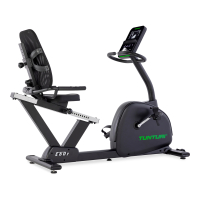
A recumbent bike is a stationary fitness bike with a seat and backrest. The pedals are in front of your body, so you sit lower and further back than on a conventional upright bike. The backrest supports your upper body while you work your legs and cardiovascular fitness.
What are the benefits of a recumbent bike?
The supported position helps make longer rides comfortable. You need less effort to hold your upper body upright, and your weight is distributed over a wider seat. The open space between the seat and console also makes getting on and off easier than with many traditional exercise bikes.
A recumbent bike suits gentle movement, building fitness and longer endurance sessions. Increasing resistance also allows a harder workout while maintaining the supported position.
Which muscles does a recumbent bike work?
Pedalling mainly works your quadriceps, hamstrings, calves and glutes. The backrest supports your upper body, putting more emphasis on your legs than machines that also involve arm movements. Higher resistance increases the effort your legs make with each pedal stroke.
How does it differ from an upright exercise bike?
On a conventional exercise bike, you sit relatively high and upright, much like on a traditional bicycle. On a recumbent bike, you sit lower with the pedals in front and your back supported. An upright exercise bike usually takes up less floor space, while a recumbent bike offers more support and a roomier seat.
Who is a recumbent bike suitable for?
A recumbent bike is a good option if you value comfortable cycling and back support. Its wider seat can also be an advantage if you find a conventional saddle uncomfortable. If you prefer an active, forward-leaning cycling position, an indoor cycling bike will generally be a better fit.
How do you adjust a recumbent bike?
Position the seat so your leg is almost extended at the furthest pedal position, with your knee still slightly bent. You should reach the pedals comfortably without shifting your hips across the seat. Keep your back against the backrest and your feet securely positioned in the pedals.
Resistance and workout programmes
Different resistance levels let you adapt the workout to your fitness and goals. Light resistance suits gentle cycling and warm-ups, while higher resistance makes your legs work harder. Workout programmes can automatically vary resistance for a more varied session.
Depending on the available programme, you can train using targets such as time, distance, resistance or heart rate. The monitor helps you track progress and repeat sessions under comparable conditions.
How much space does a recumbent bike need?
Its horizontal seating layout makes a recumbent bike longer than a conventional upright bike. Measure your available space and leave enough room to get on and off comfortably. Transport wheels make moving it easier, but a recumbent bike is generally best suited to a dedicated training spot.
How do you choose a comfortable recumbent bike?
Seat shape, backrest, pedal reach and adjustment range are key to comfort. Compare each model with your height, available space and training goals. Check which programmes and resistance options are included, and whether the manufacturer rates the bike for your intended frequency and setting of use. Specifications help you assess suitability, although they cannot fully describe how the seating position will feel for you.
Recumbent bikes are part of our complete range of cardio fitness equipment, with options for home training and commercial fitness facilities.
